One of the biggest problems that building inspectors face is increased risk. It’s very difficult for building inspectors to get up close to surfaces and structures, and there are many places that traditional climbing gear cannot reach. Despite these challenges, conventional building access methods are both expensive and risky. Thankfully, there are safe and inexpensive ways to conduct Brisbane Building Inspections without the added risk. Drones are one such safe alternative.
Drainage
The most common drainage issues with new construction are in yards. Insufficient drainage can cause rotting wood, black mold, and asthma. It can also damage foundations and create air quality issues for residents. As a result, professional drainage inspections are essential. Moreover, proper drainage can prevent major problems from arising. In areas that receive large amounts of rain, drainage can become a huge problem. Therefore, if you are looking to purchase a new home, you should consider hiring a professional drainage inspection service to carry out a thorough assessment.
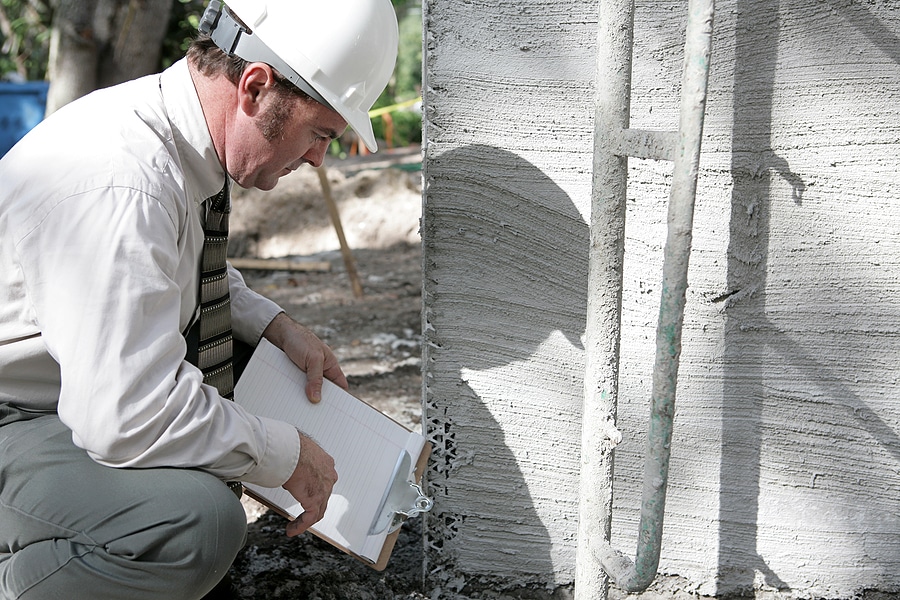
Poor drainage can damage a home’s foundation and cause basement flooding. Home inspectors also look for inadequate drainage around a house. Inadequate drainage can cause flooding, which can cause a home inspector to recommend a new location for it. In addition to drainage problems, poor upkeep is a common problem during a building inspection. This is most often the result of previous owners. While it is difficult to see, drainage issues can be costly to repair if they are not fixed immediately.
Electrical issues
While you might not see them often, electrical issues are a big problem with building inspections. This problem is usually caused by improper installation of smoke detectors. Smoke detectors are required to be installed in every bedroom and common area of every floor. They should be hard-wired to an electrical connection with a battery backup. If you suspect that your home is not compliant with these codes, you should contact a professional electrician.
If your home has outdated wiring, you’re in for a surprise. More than half of home inspections find electrical issues. Faulty wiring, aluminum wiring, improper grounding, and faulty connections are the leading causes of fire. Improper electrical wiring is dangerous for the home’s occupants and should be immediately corrected. Insufficient electrical service could result in lights that dim or go out when appliances are turned on.
Termites
When performing a building inspection, be aware of the damage termites can cause. You may notice a hump in a ceiling or see a hole in the wall caused by termite damage. Drywood termites are even more difficult to spot during a standard home inspection, as they eat wood from the inside out. The inspector should look for any of these signs and record them in the report.
Termites are expensive, too. Termite infestations are estimated to cost $5 billion per year in property damage. Unfortunately, most homeowners insurance plans do not cover damage caused by termites. A professional will inspect the property, provide a treatment plan, and discuss financing options if needed. The price of the inspection may be less than you’re willing to pay if termites are present.
Mold
One of the biggest problems that comes up during building inspections is mold. Mold can cause health problems, especially in people with weakened immune systems. It takes a lot of resources to clean up a mold infestation. Professional mold inspectors are trained to identify the types of mold and create a remediation plan based on the source of moisture. Mold can also be the culprit behind many building defects. To avoid this, get an inspection done before you decide to buy a property.
The biggest problem with mold testing is that it gives an arbitrary estimate of the amount of spores present. However, these results may not be representative of the mold growth in other areas. Furthermore, mold spore levels in a surface sample may vary significantly from the amount found in the air. Therefore, you can never rely on a surface mold test to determine whether or not there is a mold problem.
Issuance of violation citations
The most common problem with building inspections is the issue of violation citations, which give property owners only a limited amount of time to correct violations before the Department of Law takes legal action against them. While there are some exceptions, the majority of violation citations are issued without any formal notice or explanation. In these cases, property owners can ignore the violation or opt to pay a fine, but if the violations are reoccurring, the owner may lose the opportunity to sell, refinance, or obtain construction permits.
There are ways to resolve this problem, including collaborating with the inspector. For example, the inspector can issue a Cease Operations Order or a Stop Work Order, and they can also shut down dangerous projects. In this way, a building owner must fix problems before they can reapply for a building permit. And, when a building inspector issues a citation, the owner has only a few days to fix the problems or get a new Certificate of Occupancy.
Leave a Reply