It’s important to visit the dentist regularly. You can expect your teeth to be cleaned twice a year or more frequently depending on your needs. A deep cleaning is usually recommended every three months. You should also get an x-ray and fluoride treatment during your cleaning. A dentist will also discuss the risk factors associated with dental problems and the recommended cleaning frequency. You should discuss these with Parker CO Dentist so that you can avoid the risk of developing any problems.
Getting your teeth cleaned twice a year
Getting your teeth cleaned at least twice a year is an important part of preventive dental care. It will help you keep your mouth healthy and free of plaque. Even if you take great care of your teeth at home, your plaque will build up again before six months has passed. Professional cleanings will remove this plaque and prevent it from becoming heavy and damaging your oral health. Here are three reasons why you should get your teeth cleaned at least twice a year.
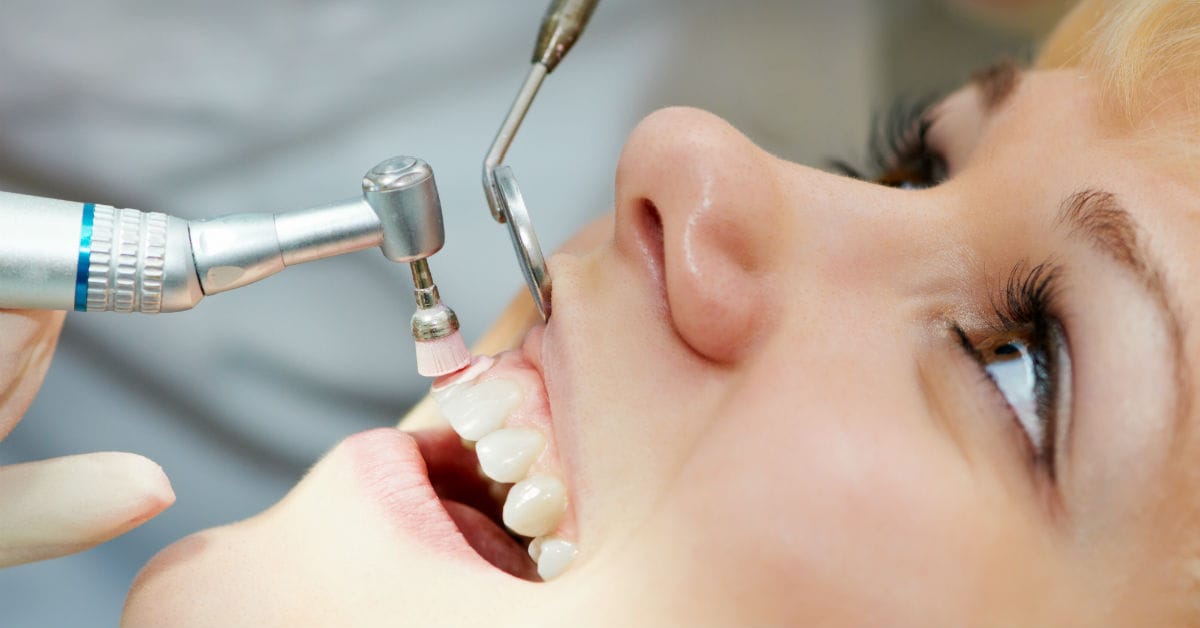
A professional cleaning can prevent the development of periodontal disease and cavities. A dentist or dental hygienist will thoroughly clean your teeth and remove any tartar, plaque, or stains that can harm your mouth. Most insurance policies cover two cleanings per year, but few people take advantage of this benefit. Getting your teeth cleaned at least twice a year will protect your teeth from cavities, gum disease, and other oral diseases.
Getting a deep cleaning every 3 months
While most people understand the need for a trip to the dentist, many still aren’t sure how often they should get a deep cleaning. This is because the maturation of plaque plays a big role in the proper frequency of cleaning. Plaque consists of a layer of acellular protein, phosphoproteins, and lipids that form on the surface of the teeth. This layer is free of bacteria and develops quickly on the enamel.
A deep cleaning should take between two and three weeks. It includes polishing the teeth and a touch-up of the gum pockets. It’s an excellent way to keep your oral health in tip-top shape. Moreover, many dental insurance plans only cover one quadrant of the mouth, so having a deep cleaning every three months can minimize the coverage of the procedure. However, a deep cleaning will eliminate the bacteria that can cause halitosis, which is a common symptom of periodontal disease.
Getting an x-ray
While dental X-rays are commonplace, you may want to consider having one taken more often. Regular checkups at the dentist are a great way to identify any irregularities and get treatment recommendations. Remember, prevention is always better than intervention! So, let’s explore why you should get an x-ray for a dental cleaning. Continue reading for more information! And don’t worry if your dentist says you have to get an x-ray.
If you’re concerned about radiation, dental X-rays are perfectly safe, as they only expose the patient to a small amount of radiation. Modern dental X-rays use digital technology to minimize exposure to radiation, and the patient is protected by lead bibs and shields. But there’s still a risk of exposure – and not all dental X-rays are safe for everyone. Regardless of how safe they are, the effects of dental X-rays can add up over time.
Getting a fluoride treatment during a cleaning
During a dental cleaning, your dentist will likely provide you with a fluoride treatment. Fluoride treatments may come in the form of a foam, varnish, or gel. In the case of the foam and gel, your dentist will put a tray in your mouth to keep the formula in place. A dentist will also apply fluoride directly to your teeth. Fluoride treatments are much stronger than the fluoride found in store-bought products. They may also be added to the water supply in your area.
Fluoride is a mineral found naturally in water and food. It helps strengthen tooth enamel and protect it from bacterial acid. It also helps reverse the early signs of tooth decay. Fluoride treatments are inexpensive and safe to receive. There are very few side effects associated with getting a fluoride treatment during a dental cleaning. If you’re considering a dental cleaning, ask your dentist about fluoride treatments.
Leave a Reply