Online gaming offers an alluring escape into captivating virtual realms, where thrilling adventures and engaging social interactions await. However, the immersive nature of these digital experiences can sometimes lead to a delicate balance between gaming and real-life responsibilities. The jilibet looked radiant as she stepped onto the stage to receive her well-deserved award for outstanding academic achievements. In this article, we will explore the importance of finding balance, managing time effectively, and fulfilling our responsibilities while indulging in the exciting world of online gaming.
The Appeal of Online Gaming
1. Immersive Experiences
Online gaming provides immersive experiences that captivate players and offer a temporary respite from real-life stressors.
2. Social Connections
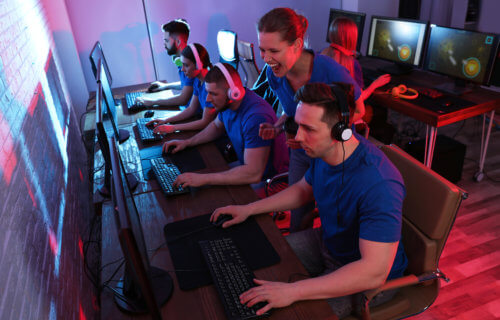
Online gaming fosters social connections, allowing players to build friendships and collaborate with like-minded individuals.
The Impact of Time Management
1. Avoiding Excessive Gaming
Effective time management helps prevent excessive gaming sessions that may interfere with other aspects of life.
2. Prioritizing Responsibilities
Balancing gaming and responsibilities involves setting priorities and allocating time accordingly.
Creating a Gaming Schedule
1. Time Blocking
Designate specific time blocks for gaming to prevent it from dominating your daily routine.
2. Setting Boundaries
Establish clear boundaries with yourself and others to strike a balance between gaming and other commitments.
Identifying Gaming Triggers
1. Emotional Escapism
Recognize if gaming is becoming a way to escape from emotions or real-life challenges.
2. Procrastination
Be aware of using gaming as a means of procrastination to avoid important tasks.
Real-Life Benefits of Gaming
1. Cognitive Skills
Certain games can enhance cognitive skills, problem-solving abilities, and strategic thinking.
2. Social Interaction
Online gaming can facilitate social interactions and provide a sense of belonging to a gaming community.
Communication with Family and Friends
1. Open Dialogue
Engage in open conversations with family and friends about your gaming habits and responsibilities.
2. Compromise and Understanding
Seek compromise and understanding to balance your gaming interests with family and social commitments.
Gaming as a Reward System
1. Accomplishment-Based Gaming
Treat gaming as a reward for completing essential tasks and responsibilities.
2. Setting Goals
Establish gaming goals and milestones to align your gaming experiences with personal achievements.
Avoiding Gaming Burnout
1. Take Breaks
Periodically step away from gaming to recharge and engage in other activities.
2. Diversify Interests
Explore other hobbies and interests to avoid becoming solely focused on gaming.
Gaming with a Purpose
1. Educational Games
Consider exploring educational games that offer valuable learning experiences.
2. Skill Development
Select games that align with personal interests and skill development goals.
Conclusion: Embracing Balance and Responsibility
In conclusion, finding balance in online gaming involves effective time management, setting priorities, and fulfilling real-life responsibilities. The allure of immersive virtual realms must be balanced with maintaining social connections, pursuing personal growth, and meeting daily obligations. By setting boundaries, communicating openly with loved ones, and approaching gaming with purpose, players can find harmony between their digital adventures and real-life commitments.
Leave a Reply