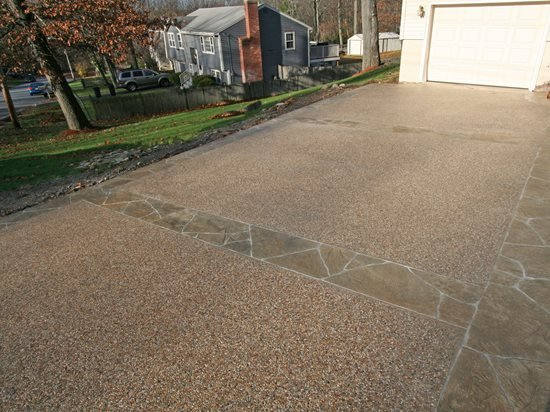
There are many benefits of using concrete in construction. These include durability, health benefits, and environmental impact. These advantages make it an excellent choice for any home, office building, or industrial building. In addition, concrete is extremely low-cost, making it a good choice for new buildings or renovations. Visit exposed aggregate website to know more about exposed aggregate for construction.
Health benefits
Concrete is a construction material made from a mixture of aggregates, water, and cement. The cement acts as a binding agent, preventing particles from passing through the structure and causing damage to human tissue. The cement also contains chromium, which can cause severe allergic reactions. Another material found in concrete is silica, which is naturally present in the Earth’s crust. However, when exposed to heavy industrial processes, silica can be oxidized into respirable crystalline silica dust, which is hazardous to health. This dust can cause asthma, chronic obstructive pulmonary disease, and even cancer. It can also lead to shortened life spans.
Another of concrete’s benefits is its energy efficiency. Because concrete has a high thermal capacity, it helps regulate the temperature in both hot and cold environments. As a result, concrete buildings need less power to maintain temperature. Furthermore, concrete is good at reducing noise. High levels of noise in hospitals can interfere with patients’ ability to recover and can make it hard for staff to concentrate. Moreover, reducing vibration in buildings can improve the precision of surgical instruments and reduce the strain on surgeons.
Durability
The durability of concrete is determined by its ability to withstand the action of weather and chemicals. Its durability also includes its ability to retain its original form, quality, and serviceability. Proper design, proportioning, and placement of concrete are key to its durability. Proper testing, inspection, and curing also contribute to its durability.
There are many tests used to assess the durability of concrete, including Rapid Chloride Permeability Testing (RCP) and water permeability tests. These tests are quick and easy to administer. However, they require a concrete laboratory or other independent third party.
Cost
The cost of concrete as a construction material is influenced by its thickness and other materials used in the process. For example, you may be charged extra for a vapor barrier or a Styrofoam layer. You may also have to pay an additional fee if you want to use more cement in the mix.
The cost of formwork makes up a large part of the overall cost of concrete construction. It depends on the types of forms used, the number of square meters of concrete required, and the type of fix. You also have to account for labor costs.
Environmental impact
The environmental impact of concrete is a complex issue. The primary drivers are the direct effects on the environment from construction and CO2 emissions. In fact, the concrete industry is responsible for between four and eight percent of global CO2 emissions. Because of its immense impact on the environment, concrete production must be modified to reduce the carbon footprint.
One way to reduce the carbon impact of concrete is through recycling. By using recycled concrete, the concrete industry can save on the amount of cement used for a construction project. Furthermore, carbon-negative aggregates can help to reduce the overall carbon impact of concrete.
Leave a Reply